The Hidden Dangers of Plaque in Dogs
When we think about caring for our canine companions, most of us focus on feeding them well, keeping them exercised, and giving them plenty of love. But there’s one area that often gets overlooked—their teeth.

Plaque and tartar build-up on your dog’s teeth isn’t just a cosmetic issue or a matter of bad breath. It can lead to serious health problems that affect the whole body.
Why Plaque is a Problem
Plaque is a sticky film of bacteria that forms on your dog's teeth. Left untreated, it hardens into tartar, which irritates the gums and causes inflammation (gingivitis). Over time, this can progress to canine periodontal disease, which doesn’t just cause pain, but allows harmful bacteria to enter the bloodstream.
The Whole-Body Impact
Why's that so bad?
Once bacteria enter the bloodstream, they don’t stay in the mouth. What may start as a bit of plaque on your dog's teeth can overtime travel to other parts of the body, eventually lead to life-threatening illness.
Some of the areas that they reach and are potentially life-threatening to your dog include:
The kidneys – increasing the risk of kidney disease.
The liver – adding strain and contributing to organ damage.
The heart – leading to heart valve infections and cardiovascular issues.
Signs of Dental Problems in Dogs
So, how can you spot when your dog's teeth are beginning to be a problem?
Regularly check your dog's mouth for any for the following signs
Bad breath (beyond the occasional “doggy smell”).
Yellow or brown staining on the teeth.
Red, swollen gums.
Dropping food, or chewing on one side.
Reduced appetite or being fussy with food
Not wanting to play with their dog toys
What You Can Do?
The good news is that dental disease is preventable and caught early enough treatable. With a few small changes to your dog’s routine and diet, you can make a huge difference, avoiding the need to remove teeth later in life.
Brush their teeth regularly – ideally daily, using a toothbrush designed for dogs and a dog-safe toothpaste.
Regularly check your dog's mouth for any changes and plaque build up.
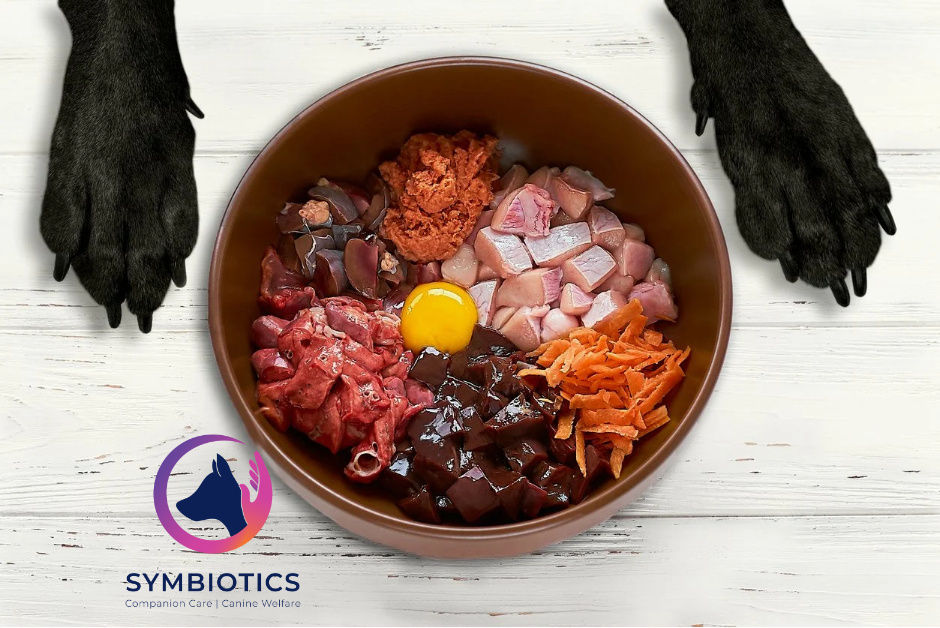
Diet matters – fresh, balanced food can help support stronger teeth and gums compared to heavily processed diets that can remain stuck around the teeth creating a breeding ground for the unwanted bacteria.
Providing the right sort of bone into the diet for your dog to chew on a couple of times a week can help remove any plaque and prevent unnecessary build-up
Appropriate supplements, can also help, including
Seaweed extract powder
Probiotic additive to the water
A Healthy Smile = A Healthy Dog
Caring for your dog’s teeth isn’t just about keeping their breath fresh. It’s about protecting their whole body from the effects of bacteria and inflammation. By looking after their dental health, you’re giving your dog the best chance at a long, happy, and healthy life.
A raw diet reduces the risk of plaque building up. If you are considering transitioning to a raw diet, or if your dog has any of the mentioned diseases and you are looking for help through diet, or therapies, contact me for a free exploratory call to see how I can help